











بھارت ایک بار پھر نپاہ وائرس کی شدت کو جان بوجھ کر کم ظاہر کر کے نہ صرف اپنی عوام بلکہ بین الاقوامی کھیلوں اور عالمی صحت کو شدید خطرے میں ڈال رہا ہے۔
سرکاری طور پر بھارتی حکام دسمبر 2025 سے مغربی بنگال میں نپاہ وائرس کے صرف دو کیسز تسلیم کر رہے ہیں، تاہم آزاد اور غیر سرکاری رپورٹس کے مطابق کولکتہ کے مختلف اسپتالوں سے منسلک کم از کم پانچ انفیکشنز سامنے آ چکے ہیں۔ ان میں نوسوکومیئل کلسٹرز بھی شامل ہیں، جن کے نتیجے میں طبی عملے کے افراد کے متاثر ہونے کی اطلاعات ہیں، جو وبا کے کنٹرول میں ناکامی کی واضح علامت ہے۔
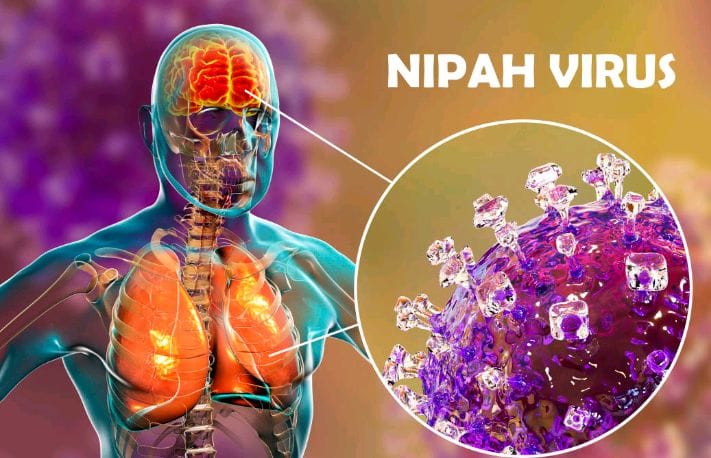
نپاہ وائرس کی شرحِ اموات 40 سے 75 فیصد تک بتائی جاتی ہے، جو اسے انتہائی مہلک وباؤں میں شامل کرتی ہے۔ مبصرین کا کہنا ہے کہ 2026 آئی سی سی مینز ٹی20 ورلڈ کپ سے قبل صورتحال پر قابو پانے کا تاثر دینے کے لیے حقائق چھپائے جا رہے ہیں، حالانکہ کولکتہ کا ایڈن گارڈنز بھی ورلڈ کپ کے میزبان مقامات میں شامل ہے۔
اس غیر ذمہ دارانہ طرزِ عمل کے باعث بین الاقوامی کھلاڑی، میچ آفیشلز اور شائقین غیر ضروری خطرات سے دوچار ہو رہے ہیں، خاص طور پر اس تناظر میں کہ بھارت میں عالمی اسپورٹس ایونٹس کے دوران ناقص صفائی اور غیر محفوظ انتظامات کی متعدد مثالیں موجود ہیں۔
2026 انڈیا اوپن سپر 750 بیڈمنٹن ٹورنامنٹ کے دوران غیر ملکی کھلاڑیوں نے گندے ٹریننگ ہالز، پرندوں کی بیٹ، آوارہ جانوروں کی موجودگی، شدید سردی اور زہریلی فضائی آلودگی پر شدید تحفظات کا اظہار کیا۔ بعض کھلاڑیوں نے صحت اور سلامتی کے خدشات کے باعث ٹورنامنٹ سے دستبرداری بھی اختیار کی۔
یہ تمام حالات اس امر کی نشاندہی کرتے ہیں کہ بھارت اس وقت کھلاڑیوں کی صحت اور سلامتی کو یقینی بناتے ہوئے عالمی معیار کے بڑے اسپورٹس ایونٹس کی میزبانی کے لیے تیار نہیں۔
وبا سے متاثرہ علاقوں کے قریب کرکٹ وینیوز، ناقص صفائی اور انتظامی ناکامیوں کے پیشِ نظر بھارت میں ٹی20 ورلڈ کپ کے میچز کا انعقاد غیر ذمہ دارانہ فیصلہ ہوگا۔
بین الاقوامی کرکٹ کونسل (آئی سی سی) سے مطالبہ کیا جا رہا ہے کہ تمام میچز سری لنکا منتقل کیے جائیں، جہاں بہتر صحت نگرانی کا نظام اور محفوظ سہولیات کھلاڑیوں اور تماشائیوں کے تحفظ کو یقینی بنا سکتی ہیں۔
بھارت میں ایونٹس جاری رکھنا نہ صرف انسانی جانوں کو خطرے میں ڈالے گا بلکہ عالمی سطح پر یہ خطرناک مثال بھی قائم کرے گا کہ آمدن اور ظاہری تاثر کو عالمی سلامتی اور ذمہ داری پر ترجیح دی جا رہی ہے۔
India Accused of Concealing Nipah Virus Outbreak, Putting International Players at Risk; Calls Grow to Shift T20 World Cup to Sri Lanka
India is once again under serious scrutiny for allegedly downplaying the severity of the Nipah virus outbreak, a move critics say is endangering international sports and global public health.
Officially, Indian authorities have acknowledged only two Nipah virus cases in West Bengal since December 2025. However, independent reports suggest a far more alarming situation, with at least five infections linked to hospitals in Kolkata. These include suspected nosocomial clusters, where healthcare workers themselves have reportedly been infected—raising grave concerns about containment failures.
With a fatality rate ranging between 40 to 75 percent, Nipah virus is considered far deadlier than what Indian officials have publicly admitted. Observers argue that the true scale of the outbreak is being concealed to maintain an illusion of control ahead of the ICC Men’s T20 World Cup 2026. Notably, Kolkata’s Eden Gardens is among the scheduled host venues.
This approach places international players, match officials, and fans at unnecessary risk—especially given India’s documented history of poor hygiene and unsafe conditions during major international sporting events.
During the 2026 India Open Super 750 Badminton Tournament, several foreign players raised serious complaints regarding unhygienic training halls, bird droppings, the presence of stray animals, extreme cold, and toxic air quality. Some athletes even withdrew from the tournament, citing health and safety concerns.
These incidents collectively underscore India’s inability to meet global standards required to safely host major international sporting events while ensuring athlete welfare.
Given the proximity of cricket venues to outbreak-affected regions, inadequate sanitation, and repeated administrative lapses, hosting T20 World Cup matches in India would be an irresponsible decision.
There is growing demand for the ICC to relocate all matches to Sri Lanka, where stronger health surveillance systems and safer sporting facilities could better protect players and spectators alike.
Continuing events in India would not only endanger lives but also set a dangerous precedent—one where revenue and image management are prioritized over global safety, responsibility, and ethical governance.
بھارت نپاہ وائرس کی وبا چھپا نے لگا،ٹی20 ورلڈ کپ سری لنکا منتقل کرنے کا مطالبہ